THE GHOSTS OF CHINATOWN
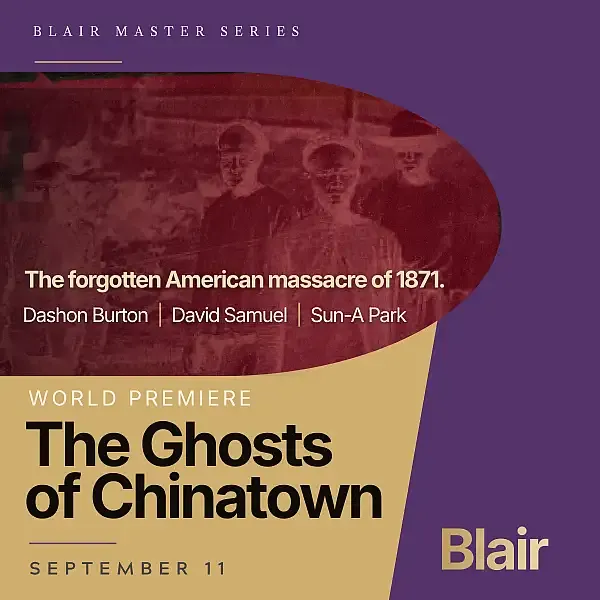
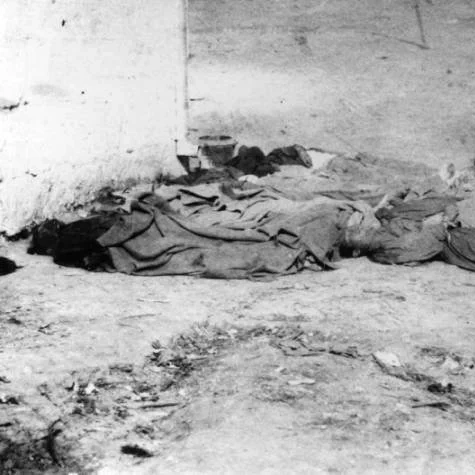
On the night of October 24, 1871, a mob of around five hundred residents of Los Angeles descended on a single block known as Calle de los Negros and brutally murdered eighteen Chinese immigrants.
This incident remains as one of the largest racially motivated massacres in American history, yet it is still largely forgotten.
Instrumentation
Bass-baritone, Viola, Piano
Duration
40 minutes (in 10 movements)
Year Composed
2026
Librettist
Commission & Premiere Info
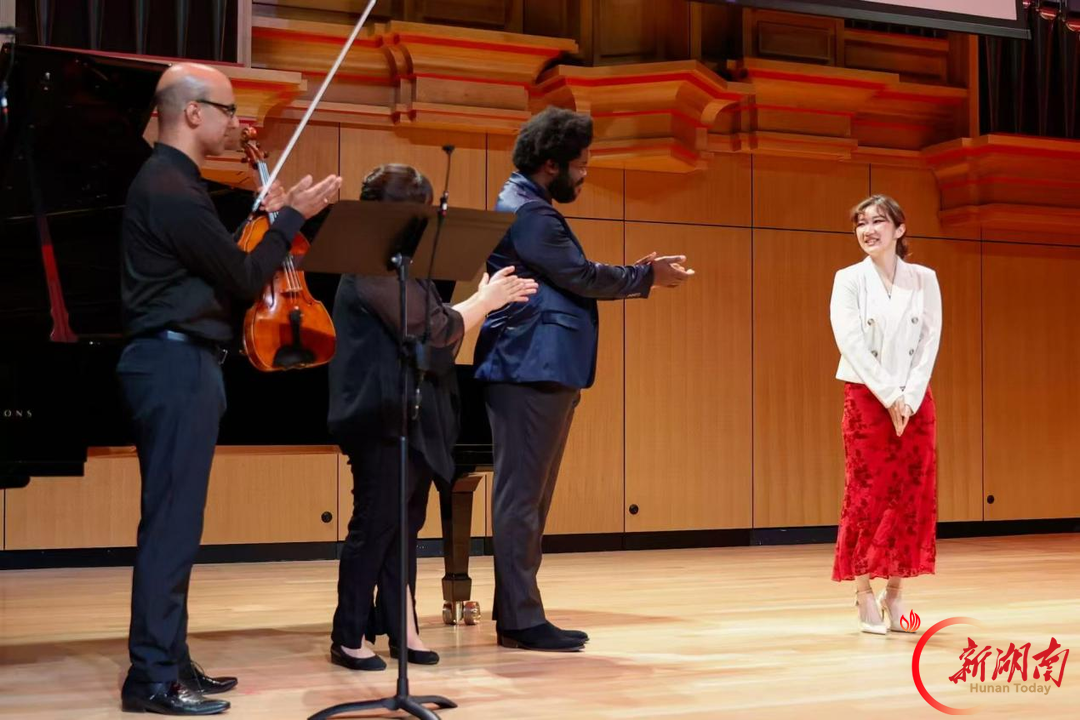
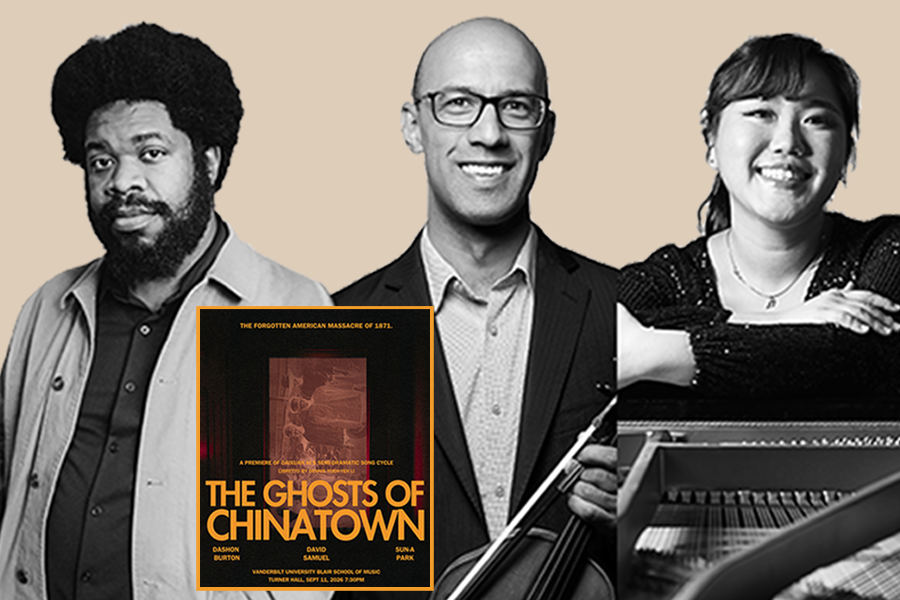
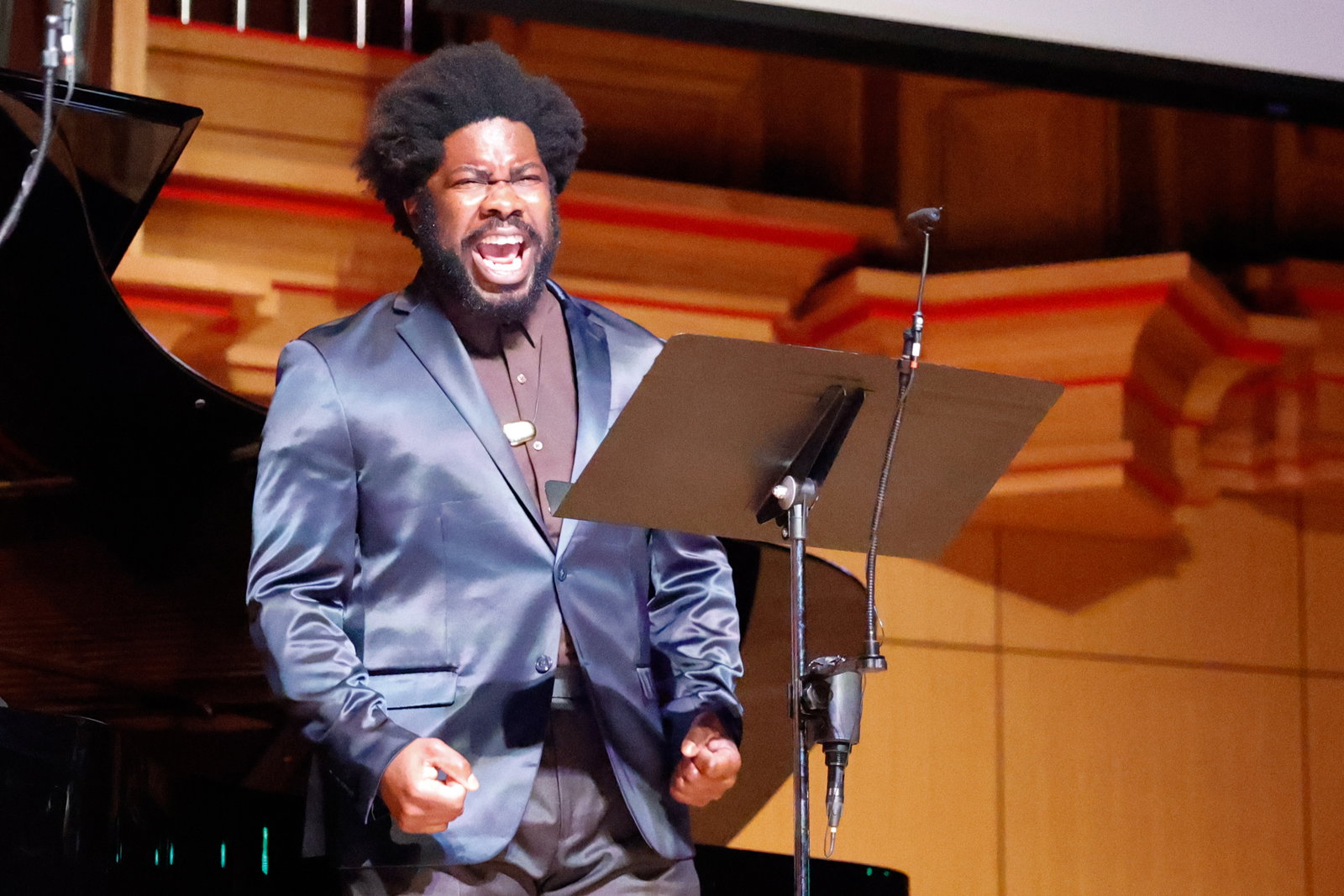
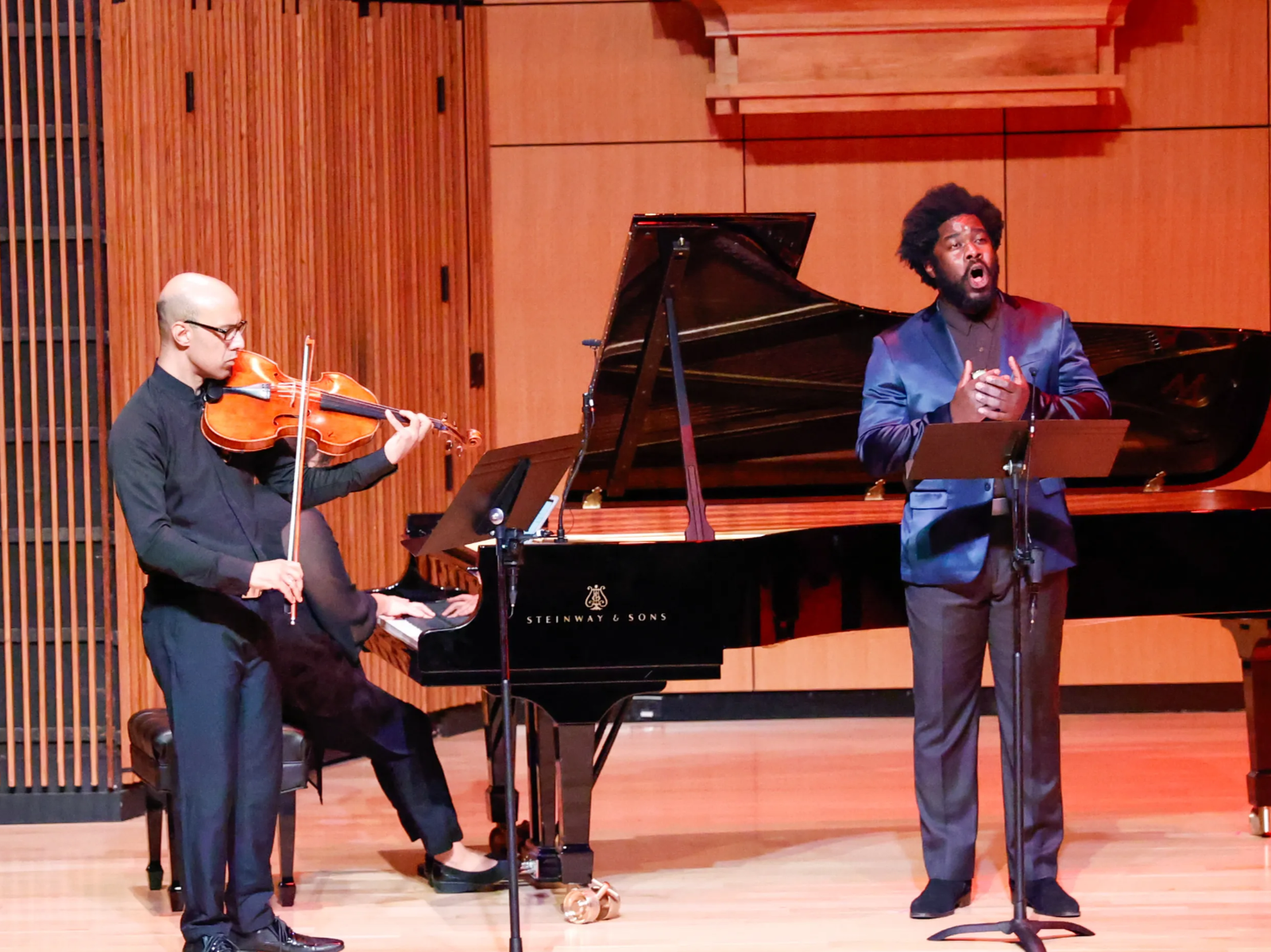
Commissioned by David Samuel with support from the Peter and Lois Fyfe Faculty Fellowship at Vanderbilt University. Premiered by Dashon Burton (bass-baritone), David Samuel (viola), and Sun-A Park (piano) at the Vanderbilt University Blair School of Music on September 11, 2026.
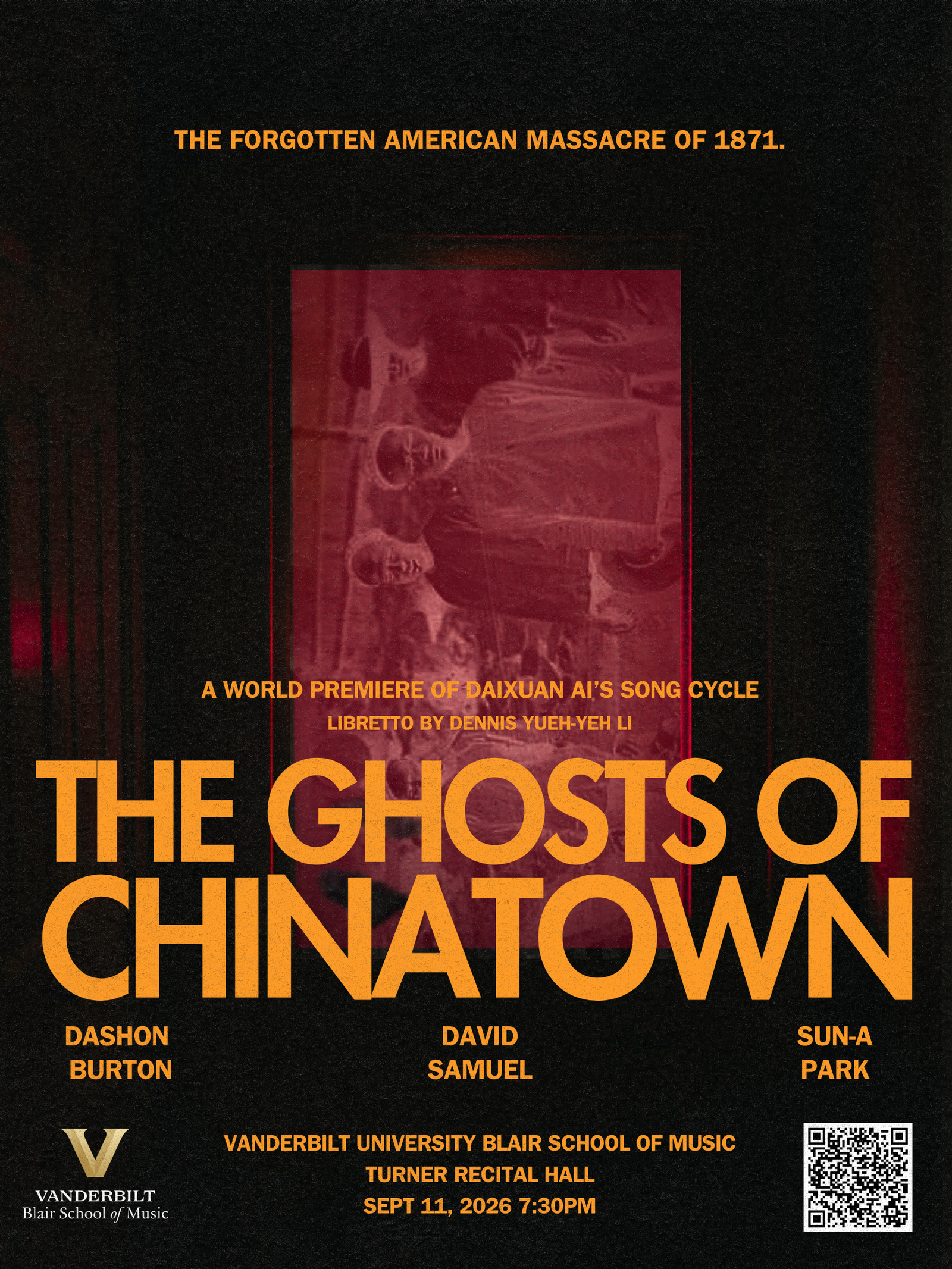
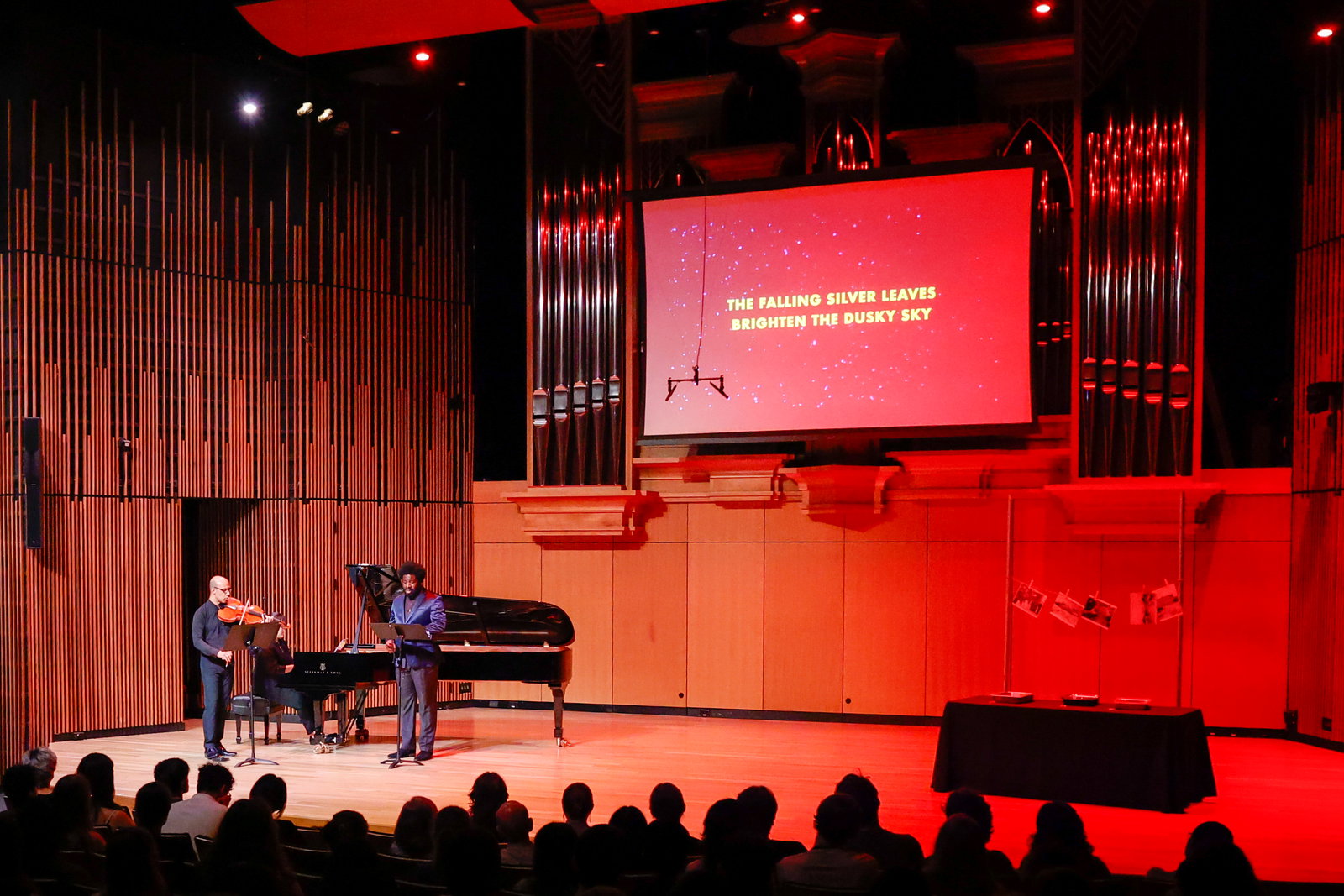
Through 2029, The Ghosts of Chinatown is performed exclusively by Dashon Burton, David Samuel, and Sun-A Park.
Interested in programming the work?
The Narrative Approach
The song cycle narrates the stories of three victims of the massacre, recounting their memories of the tragic night.
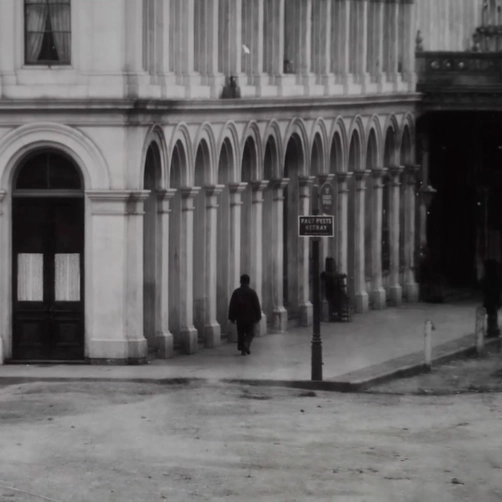
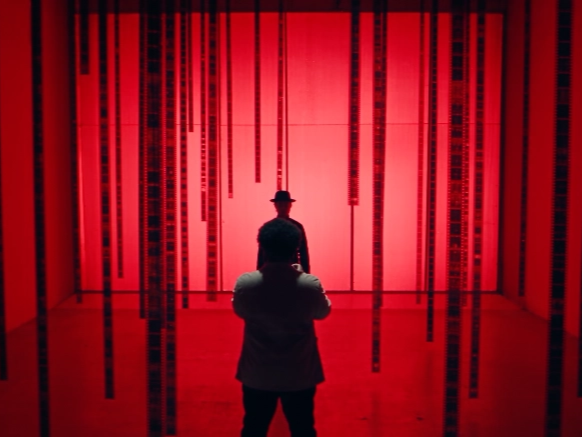
The story unfolds through the perspective of a solo singer — a photographer who has just photographed the old Los Angeles Chinatown before it is set to be demolished to make way for new buildings and a highway entrance in downtown LA.
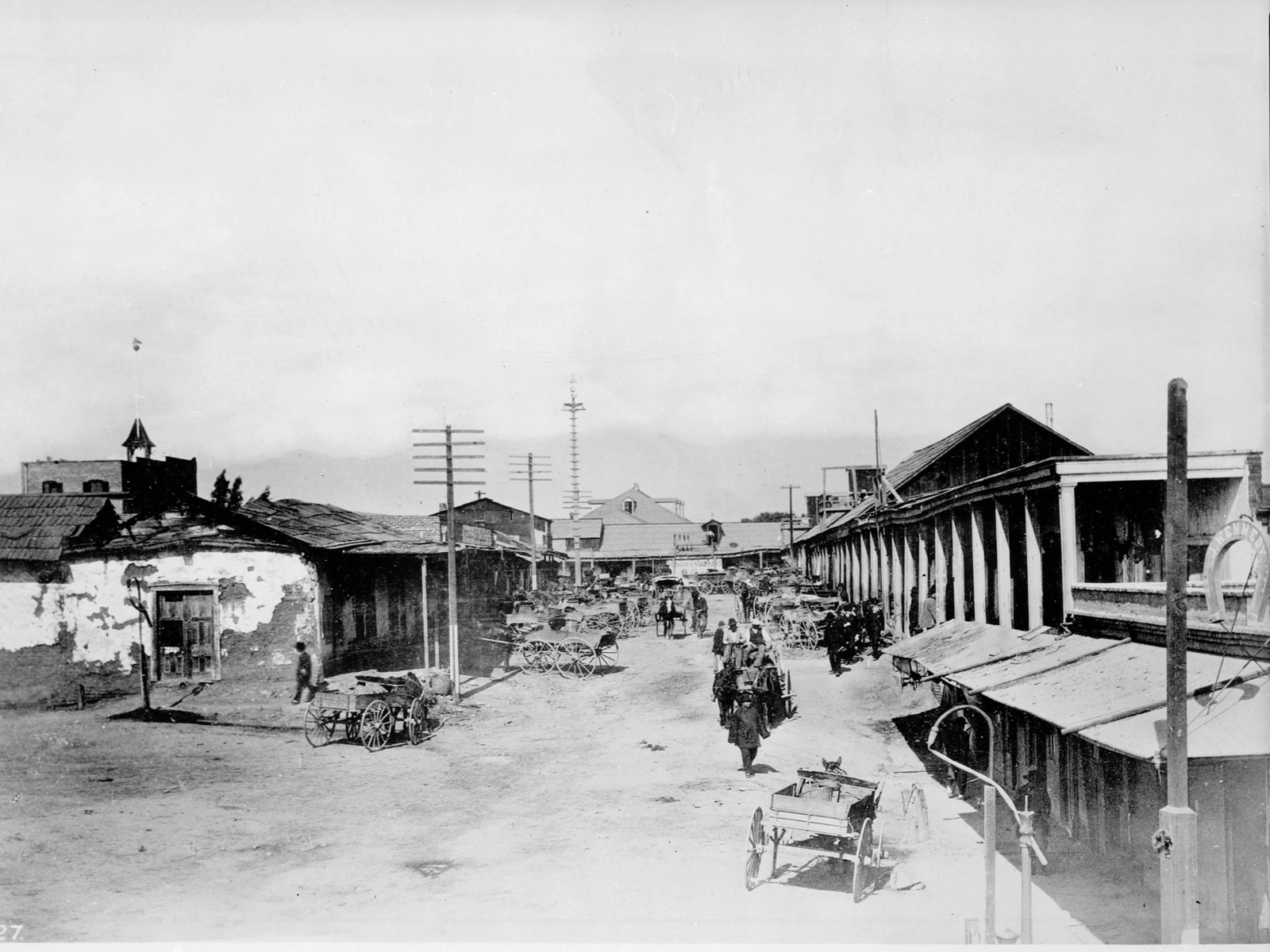
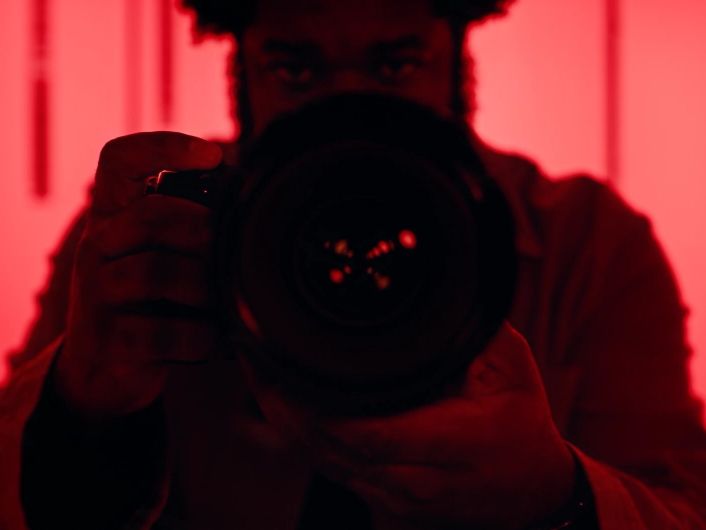
As he develops the film in a darkroom, the images begin to emerge in the developing bath, and he starts to encounter the lingering spirits of those who were killed at those very locations. This experience taps into a superstitious belief from the early days of photography, when people thought that those strange boxes called cameras had the power to capture souls and render them immortal.
Wanting to learn more about the massacre, the photographer allows the trapped souls to possess him, enabling them to share their stories through him.
The Characters
The first spirit to appear is Dr. Gene Tong, a beloved doctor of both Eastern and Western medicine who served various communities in Los Angeles, including white, Hispanic, and Chinese communities. He was well-educated and fluent in both English and Spanish.
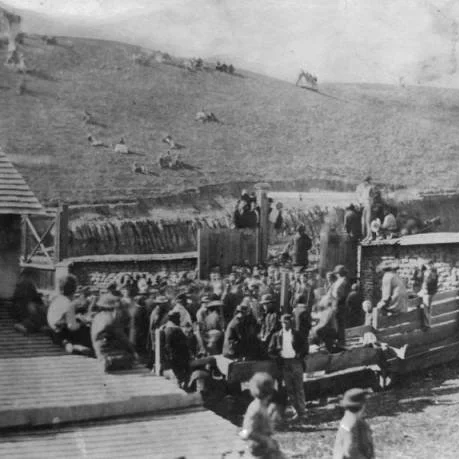
The second ghost is Ah Wing, a laborer who worked at a luxury hotel called Pico House. His story is significant because he was the first Chinese person to be lynched. When the police and a mob of Angelenos trapped all the residents of Chinatown in their complex to catch the Tong fighters (Chinese gang members) responsible for the death of Robert Thompson, a white man who tried to intervene in a gunfight between the Tongs and LA policemen, the situation escalated. All but one of the Tong fighters had already fled on a train back to San Francisco, while the innocent residents of Chinatown were held hostage in their own homes, fearing for their lives.
When Ah Wing tried to break through the barricade, the mob captured him. Although the police directed that he should be taken to jail, the mob decided to take "justice" into their own hands. The lynching of Ah Wing fueled the bloodlust and fury of the crowd, which had grown to over 500 Angelenos. They realized they could act without police interference and subsequently took the lives of 17 more people.
The identity of the last ghost remains unknown. He was the only Tong fighter involved in the original killing of Robert Thompson. Through a song sung in Sprechstimme, which means "spoken voice" in German, he expresses his regret for participating in the gang fight and for the brutal deaths of his innocent countrymen, who paid the price for the crimes of his organization.
Movements:
Symbolisms & References
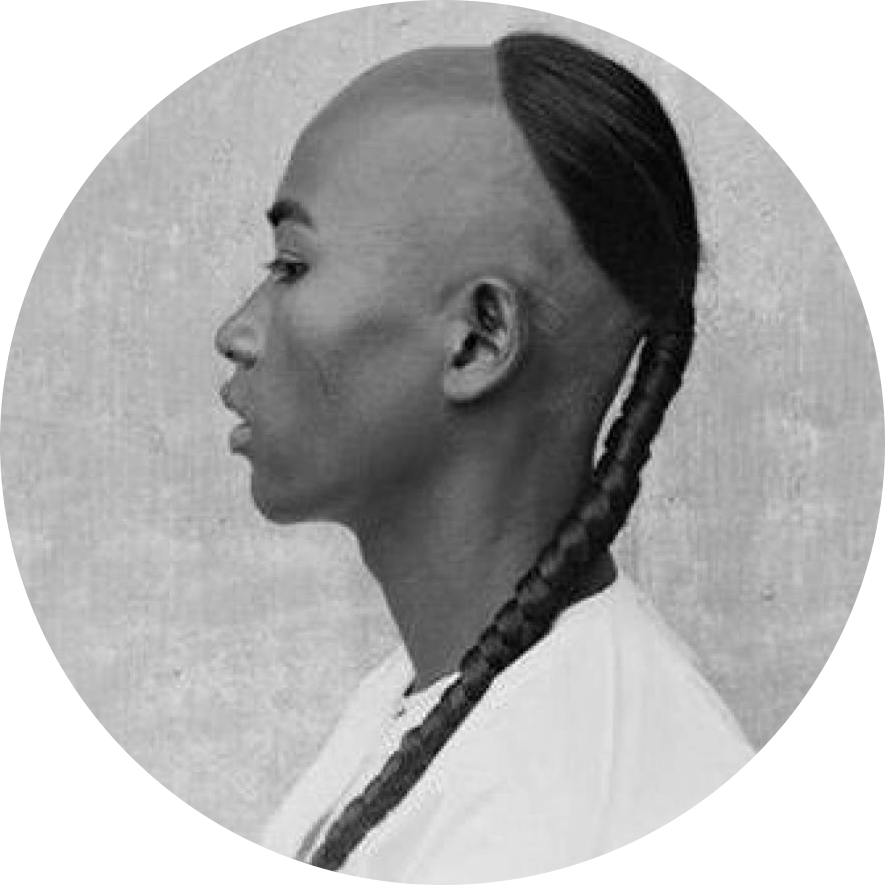
The “Queues”
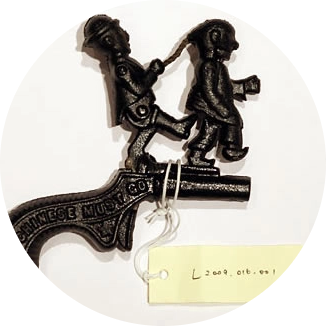
refer to a traditional hairstyle worn by Chinese men. This hairstyle consisted of long, braided hair that symbolized loyalty to the Qing dynasty. It represented tradition, pride, and identity; cutting one's queues was equivalent to being disowned and exiled from one's family and country. When Chinese migrants first arrived in the United States, their long braids were often viewed as peculiar, leading to discrimination and negative stereotypes. To drag a Chinese man by his queue, or to cut it off—like the mob did to the victims of the massacre—was regarded as the utmost humiliation and mockery for a man of the Qing dynasty.
Suddenly, They stormed inside, grabbing anyone dragged by our queues Shouting: Hang them! Hang them!
(from 4. Let Me Go!)
The Imagery of “Snowfall In June”
symbolizes profound and unavenged injustice in Chinese culture. This imagery originates from the story of a child bride named Dou E, who was wrongfully convicted of a crime after she rejected a suitor. Following her execution, three supernatural phenomena occurred: blood rain, snow in June, and a three-year drought.
In this eerie month of June The snow falls Under the sun The snow falls Under the sun
(from 2. Snow In June)
An Homage to A Grain Of Sand
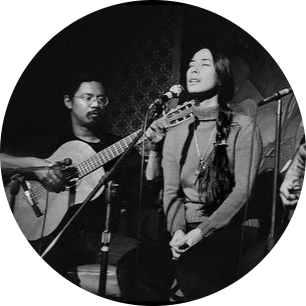
Ah Wing’s song “Prosperity Was A Dream” is modeled on “Wandering Chinaman” from A Grain of Sand (1973), the first Asian American album, recorded by Chris Kando Iijima, Nobuko Miyamoto, and Charlie Chin. Its simple folk melody, backed by a single instrument (viola pizzicato) at the beginning, pays tribute to these pioneers, who used their voices for the Asian American rights movement of the 1960s and 70s. Their choice of folk music style helped them reach wide audiences, and its storytelling form gave voice to Asian immigrant lives too often left unheard.
The 17-tone Row
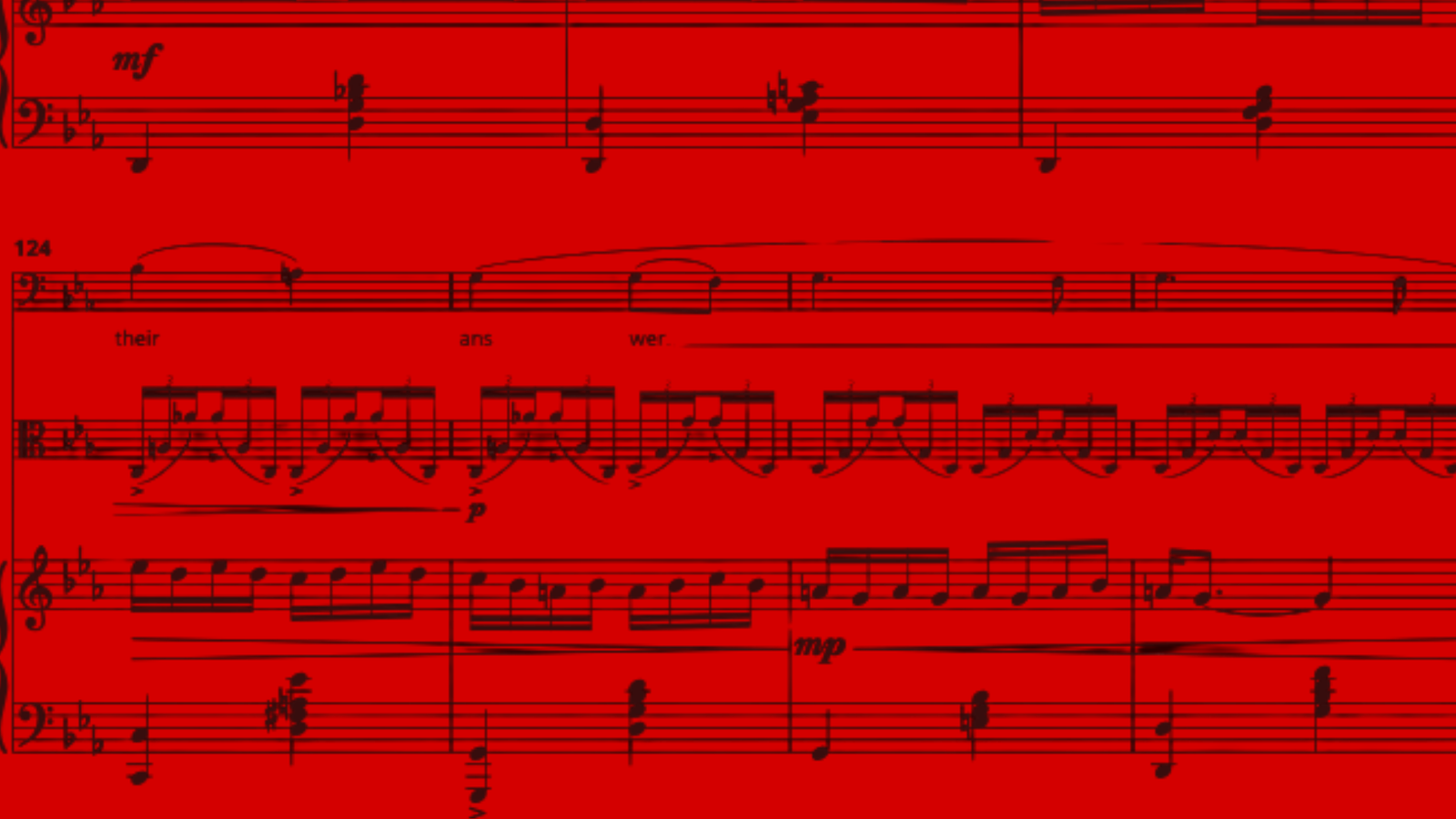
Of the 18 Chinese men killed that night, 17 were innocent. They died for a crime they had nothing to do with, simply because they were Chinese. Each of them is represented by 1 note in a 17-note row. The row is first heard in the Third Interlude, with one note sounding as the singer reads each victim’s name aloud. It then becomes the material for the next song, I Deserve To Be Forgotten – Tong Fighter’s Confession. Following the 12-tone composition method, the notes always appear in order, and every note is used before the row begins again. Throughout his confession, the Tong fighter carries the weight of each blameless soul whose death he helped bring about.
The row:

Excerpt from the third interlude:
The Funeral Dirge
The last song quotes a melody from a traditional Chinese funeral dirge known as Āiyuè (哀乐). This music is designated as national funeral music and is used during major memorial activities for high-ranking officials and respected public figures. My intention with this closing piece is to offer the victims a proper farewell, allowing their souls to be freed and their memories to be carried on by the rest of us.
Excerpt from Āiyuè (哀乐):
Beginning of “To Forgive Is To Begin To Remember”:
Events & Press